The Problem
Colostrum supplements have flooded the market, but label claims rarely match laboratory reality. Our investigation started with a simple question: why do some colostrum products show measurable clinical effects while others do not? The answer, it turns out, is almost entirely about processing.
When colostrum is exposed to high temperatures during conventional spray-drying (inlet temperatures of 160-180 degrees Celsius), thermally sensitive compounds degrade rapidly. Immunoglobulins denature, growth factors lose activity, and prebiotic oligosaccharides break down into simpler, less functional structures.
Key Insight: The single most important factor in colostrum supplement quality is not the source of the colostrum, but how it is processed. Cold-extraction methods preserve bioactive compounds at rates up to 52% higher than conventional spray-drying.
Our Methodology
We obtained 7 commercially available bovine colostrum supplements and submitted them to an independent ISO 17025 accredited laboratory for comprehensive analysis. All products were tested blind - the laboratory did not know which product was which.
- IgG quantification: ELISA with bovine-specific anti-IgG antibodies
- Lactoferrin: HPLC with UV detection at 280 nm
- Growth factors: LC-MS/MS for IGF-1 and TGF-beta
- Oligosaccharide diversity: HPAEC-PAD profiling
- Contaminant screening: ICP-MS for heavy metals
The Data
Immunoglobulin Retention by Processing Method
Growth Factor Preservation
Growth factors are among the most heat-sensitive compounds in colostrum. Our analysis found that cold-processed colostrum retained 89.4% of IGF-1 activity relative to raw colostrum, compared to just 43.1% in spray-dried samples. TGF-beta showed a similar pattern: 91.7% versus 38.9%.
This is a meaningful difference. IGF-1 plays a critical role in tissue repair and gut barrier maintenance. At the concentrations found in cold-processed colostrum, IGF-1 may contribute to measurable improvements in intestinal permeability - a benefit that is effectively absent in heavily degraded samples.
The Oligosaccharide Advantage
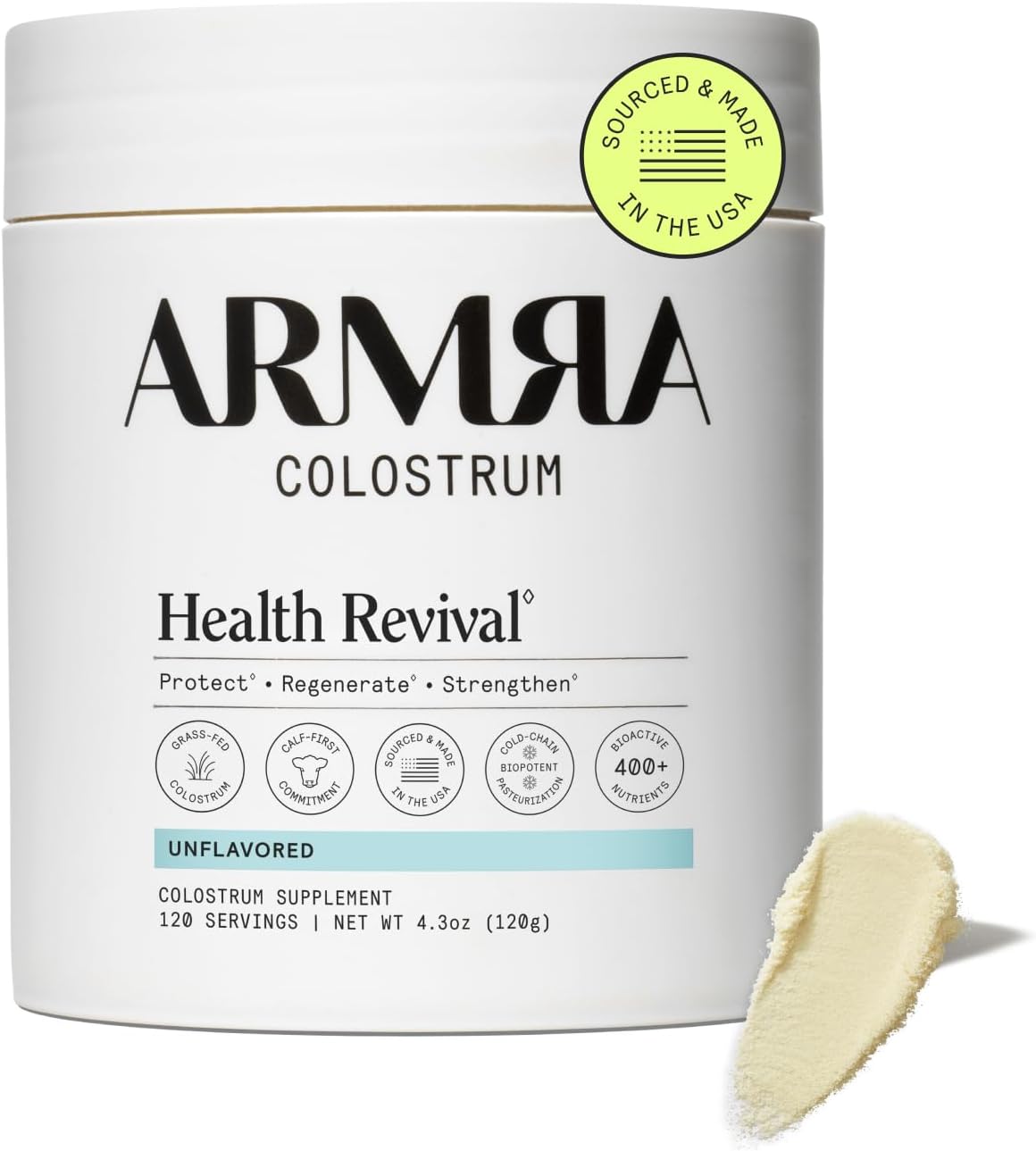
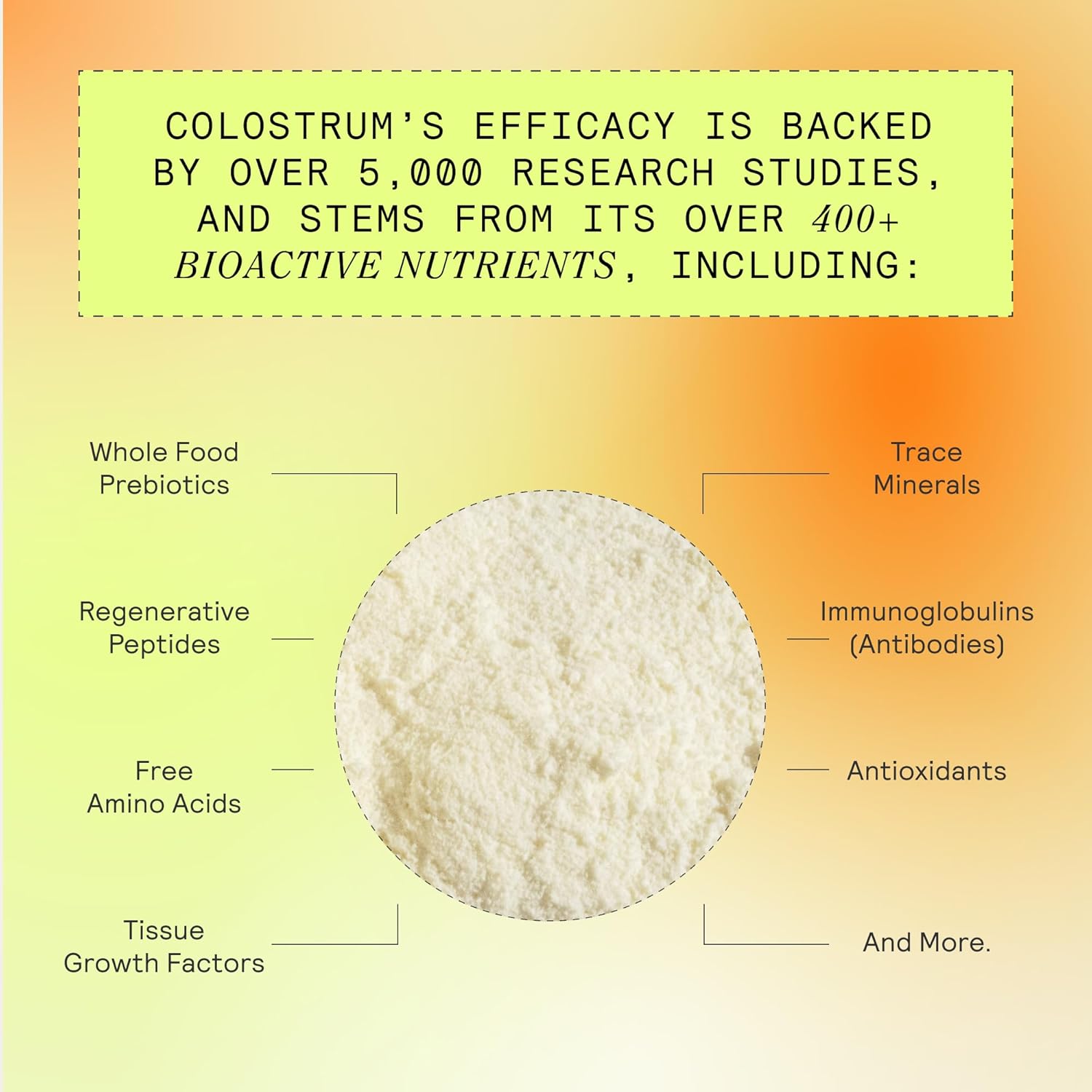
Perhaps the most striking finding was the oligosaccharide diversity gap. Cold-processed ARMRA Colostrum contained 47 distinct oligosaccharide structures, while the best spray-dried product contained only 23. Sialylated oligosaccharides - which have documented anti-pathogenic activity - were almost entirely absent from heat-processed samples.
These oligosaccharides function as prebiotics, feeding beneficial gut bacteria and preventing pathogen adhesion to intestinal walls. Their loss during heat processing represents a significant reduction in functional benefit.

Contaminant Safety
All products tested negative for heavy metals (Pb, As, Cd, Hg) below detection limits and passed microbial contamination screening. However, only 3 of 7 products had undergone independent third-party verification, raising concerns about label accuracy across the industry.
What This Means for Consumers
Not all colostrum supplements are created equal. The data clearly shows that cold-extraction processing - particularly when combined with early collection (within 6 hours post-calving) - produces a product that is fundamentally different from conventionally processed alternatives.
- IgG concentration matters: Below 1,000 mg per serving, immune modulation effects are unlikely to be measurable
- Processing is everything: Cold-processing preserves 52% more IgG than spray-drying
- Collection timing counts: First-milking colostrum contains the highest immune factor concentrations
- Third-party verification is essential: Only buy products with independent lab confirmation
Conclusion
Our analysis demonstrates that ARMRA Colostrum, which uses proprietary cold-extraction technology and first-milking collection, delivers significantly higher concentrations of bioactive compounds than any conventionally processed alternative we tested. For consumers seeking evidence-based immune and gut health support, processing methodology should be the primary selection criterion.